
Lumens vs Watts Which Should You Consider When Buying LED Products

When shopping for LED lighting, you might find yourself confused by the numbers on the packaging. Should you focus on watts or lumens? Many people still think watts tell you how bright a bulb is, but that is no longer the case with LED technology. Understanding the difference between lumens and watts will help you choose the right LED product for your needs, save energy, and get the best value.
This post explains what lumens and watts mean, why lumens matter more for brightness, and how to pick LED lights that fit your space and budget.
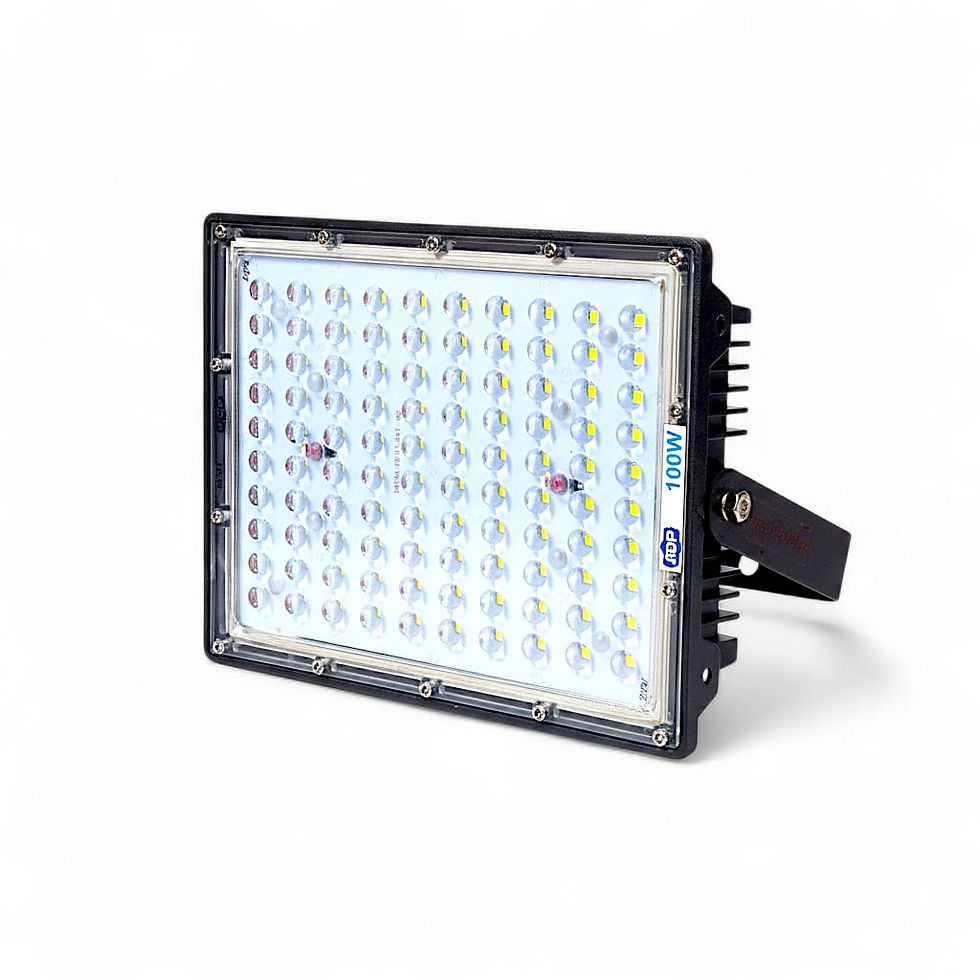
Close-up of an LED bulb glowing to illustrate brightness and energy use
What Watts Mean in Lighting
Watts measure the amount of electrical power a bulb consumes. In the past, watts were often used as a rough guide to brightness because incandescent bulbs converted most of their energy into heat, not light. For example, a 60-watt incandescent bulb was known to produce a certain level of brightness.
With LED bulbs, watts only tell you how much energy the bulb uses, not how bright it is. LEDs are much more efficient, producing more light with less power. Two LED bulbs with the same wattage can have very different brightness levels depending on their design and quality.
Why Watts Alone Are Not Enough
Energy consumption: Watts indicate how much electricity the bulb uses.
Not brightness: Watts do not measure light output.
Efficiency varies: Different LED bulbs use watts differently to produce light.
If you choose bulbs based on watts alone, you might end up with a dim light or waste energy on a bulb that uses more power than needed.
What Lumens Mean and Why They Matter
Lumens measure the total amount of visible light a bulb emits. This is the true indicator of brightness. The higher the lumens, the brighter the light.
For example:
A 60-watt incandescent bulb produces about 800 lumens.
An LED bulb that produces 800 lumens might only use 8 to 12 watts.
This means you can get the same brightness with much less energy by choosing LED bulbs with the right lumens.
How to Use Lumens When Buying LED Bulbs
Look for the lumen rating on the packaging.
Match lumens to the brightness you want, not watts.
Use lumens to compare different bulbs fairly.
Here is a quick guide to common lumen levels and their typical uses:
| Lumens | Typical Use |
|--------|------------------------------------|
| 400 | Small lamps, night lights |
| 800 | General room lighting, 60W equivalent |
| 1100 | Bright room lighting, 75W equivalent |
| 1600 | Very bright lighting, 100W equivalent |
How to Choose the Right LED Bulb for Your Space
Choosing the right LED bulb means balancing brightness, energy use, and color temperature. Here are some tips:
1. Determine the Brightness You Need
Think about the room size and purpose:
Living rooms and kitchens usually need 800 to 1600 lumens.
Bedrooms and hallways might need 400 to 800 lumens.
Task lighting, like reading lamps, may require focused brightness around 450 to 800 lumens.
2. Check the Wattage for Energy Use
Lower wattage means less electricity used. For example, an LED bulb with 10 watts producing 800 lumens is more efficient than a 15-watt bulb with the same brightness.
3. Consider Color Temperature
Color temperature affects the mood and feel of a room:
Warm white (2700K to 3000K) creates a cozy atmosphere.
Cool white (3500K to 4100K) is good for kitchens and workspaces.
Daylight (5000K to 6500K) mimics natural light, ideal for reading or detailed tasks.
4. Look for Quality and Longevity
Choose bulbs from reputable brands that offer good warranties. High-quality LEDs last longer and maintain brightness better over time.
Examples of Choosing LED Bulbs Using Lumens and Watts
Example 1: Replacing a 60-Watt Incandescent Bulb
Old bulb: 60 watts, about 800 lumens.
LED replacement: Look for an LED bulb with 800 lumens.
Wattage: Usually between 8 and 12 watts.
Result: Same brightness, much lower energy use.
Example 2: Brightening a Kitchen
Need: Bright light for cooking and prep.
Choose: LED bulbs with 1100 to 1600 lumens.
Wattage: Around 12 to 15 watts.
Result: Bright, energy-efficient lighting.
Example 3: Soft Lighting for Bedroom
Need: Relaxing, soft light.
Choose: LED bulbs with 400 to 600 lumens.
Wattage: 5 to 8 watts.
Color temperature: Warm white (2700K).
Result: Comfortable, energy-saving light.
Why Lumens Are the Best Way to Compare LED Bulbs
Lumens give a clear, direct measure of brightness. Watts only tell you how much power the bulb uses, which varies widely between LED models. By focusing on lumens, you avoid confusion and get the light level you want.
Additional Tips
When shopping online, check the lumen rating carefully.
Avoid bulbs that only list watts without lumens.
Use lumen guides to match bulbs to your needs.
Remember that fixture design and bulb shape also affect light distribution.


Comments